

Renaissance Farms
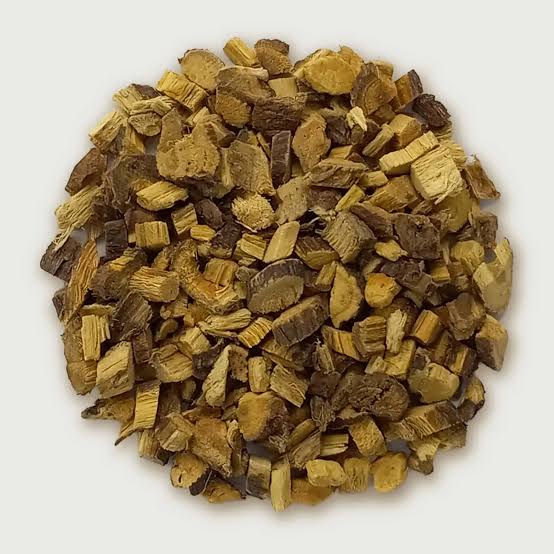
Licorice Root 1 oz
Licorice Root 1 oz
Couldn't load pickup availability
Licorice Root Product Description
Botanical Name: Glycyrrhiza glabra
Common Names: Licorice Root, Sweet Root, Sweetwood
Description: Licorice Root is one of the oldest and most widely used botanicals in the world, revered for its intensely sweet flavor and profound soothing properties. Known as the "sweet root," its natural compounds are up to 50 times sweeter than sugar. In herbalism, Licorice is a premier demulcent and adaptogen, famous for coating and protecting irritated mucous membranes, supporting adrenal health, and harmonizing complex herbal formulas.
Energetics: Moist, Cool to Neutral, Sweet, Earthy
Key Constituents: The primary active compound in Licorice Root is glycyrrhizin (glycyrrhizic acid), which provides its intense sweetness and anti-inflammatory properties. It also contains rich levels of flavonoids, saponins, and asparagine, which contribute to its soothing action on the respiratory and digestive tracts.
Traditional Uses: Licorice Root is a versatile and deeply restorative herbal ally. It is traditionally used to:
-
Soothe a sore throat, coughs, and irritated respiratory passages
-
Support adrenal gland function and combat fatigue
-
Protect and coat the stomach lining to ease digestive irritation and ulcers
-
Act as a "harmonizer" in herbal blends to improve taste and enhance the synergy of other herbs
Preparation: Licorice root is most commonly prepared as a decoction or infusion, and is frequently blended into teas.
-
Decoction: Simmer 1 teaspoon of dried licorice root in a cup of water for 10-15 minutes.
-
Tincture / Extract: A concentrated liquid extract is often used for targeted support.
Disclaimer: This statement has not been evaluated by the Food and Drug Administration. This product is not intended to diagnose, treat, cure, or prevent any disease. Warning: High doses or long-term use of licorice root containing glycyrrhizin can lead to elevated blood pressure and potassium depletion. Individuals with high blood pressure, kidney disease, or heart conditions should consult a healthcare professional before use.
Licorice Root Monograph: The Great Harmonizer
Introduction: Licorice Root, or Glycyrrhiza glabra, is a foundational herb in both Eastern and Western herbal traditions. Its botanical name literally translates from the Greek as "sweet root." Across millennia, it has been prized not only for its incredible sweetness but for its profound ability to soothe inflamed tissues, support the endocrine system, and bind formulas together as a master harmonizer. This monograph explores the deep restorative and protective qualities of this remarkable botanical.
Botanical Information:
-
Botanical Name: Glycyrrhiza glabra
-
Common Names: Licorice Root, Sweet Root, Gan Cao (in Traditional Chinese Medicine)
-
Description: A hardy perennial legume featuring long, woody, fibrous roots that run deep into the soil. It produces pinnate leaves and pale blue to violet flowers, but it is the sweet, yellowish-brown root that is harvested for medicine.
Energetics & Taste:
-
Energetics: Moist, Neutral to slightly cooling, Sweet, Earthy
-
Taste: Intensely sweet, rich, and slightly earthy with a subtle bitter undertone.
Key Constituents: The principal active constituent is glycyrrhizin, a saponin compound responsible for the root's sweet taste and its ability to inhibit enzymes that break down cortisol, thereby supporting the adrenals. The root is also rich in flavonoids (such as liquiritin), which offer antioxidant and antispasmodic benefits, and mucilage, which coats and protects delicate tissues.
Traditional Uses: Licorice is a master demulcent and adaptogenic ally. Its traditional uses include:
-
Respiratory Health: A classic remedy for dry, hacking coughs, sore throats, and bronchitis, where its demulcent and expectorant actions soothe inflamed bronchial tubes.
-
Digestive Soothing: Coats the mucosal lining of the stomach, making it a traditional favorite for easing heartburn, acid indigestion, and supporting the healing of gastric ulcers.
-
Adrenal Support: Nourishes the adrenal glands, helping to restore energy and resilience during periods of chronic stress or burnout.
-
Formula Harmonizer: Used in small amounts in herbal combinations to smooth out harsh tastes and synergize the actions of other botanicals.
Herbal Actions:
-
Demulcent: Soothes and protects irritated or inflamed mucous membranes.
-
Expectorant: Helps loosen and expel mucus from the respiratory tract.
-
Adaptogenic / Tonic: Supports adrenal function and overall vitality.
-
Anti-inflammatory: Helps moderate the body's inflammatory response.
Preparation:
-
Decoction: Simmer 1 teaspoon of cut or powdered root in a cup of water for 10-15 minutes.
-
Tincture: A liquid extract taken in small, measured doses.
-
Deglycyrrhizinated Licorice (DGL): A processed form where glycyrrhizin is removed, ideal for individuals who need digestive soothing without blood pressure effects.
Planetary & Metaphysical Correspondences:
-
Planetary Associations: Venus and Water. Venus for its profound sweetness, nurturing demulcent qualities, and ability to please the senses; Water for its moistening nature.
-
Metaphysical/Magical Correspondences: Licorice is traditionally used in rituals and spells focused on love, fidelity, passion, and bringing sweetness, harmony, and reconciliation into relationships or difficult situations.
Sourcing: This Licorice Root is ethically sourced from certified organic cultivators, ensuring pure, high-potency roots free from chemical additives.
Cautions & Contraindications:
-
Blood Pressure & Electrolytes: Because glycyrrhizin can cause sodium retention and potassium loss, chronic high-dose use may elevate blood pressure. Individuals with hypertension, cardiovascular disease, kidney dysfunction, or liver disease should avoid regular use or opt for DGL (Deglycyrrhizinated Licorice).
-
Pregnancy: Generally advised to be used with caution or avoided in large amounts during pregnancy.
Disclaimer: This monograph is for educational purposes only and has not been evaluated by the Food and Drug Administration. This product is not intended to diagnose, treat, cure, or prevent any disease. Consult with a qualified healthcare professional before using any herbal products, especially if you are pregnant, nursing, or taking any medications.
Share
Please log in to view your membership.